

PLASTISOL
ROTATIONAL MOLDING
Rotational molding is a flexible manufacturing method used to create durable, uniform, and dimensionally consistent hollow components. A measured volume of liquid plastisol is introduced into a heated, hollow mold, which is then rotated on multiple axes so the material can flow across all internal surfaces. As the plastisol gels and cures under controlled heat, it forms a seamless structure with reliable strength and adhesion.
Key features:
Accurate feature reproduction - The flow behavior of the plastisol is managed to capture fine details and maintain consistent wall thickness across the part.
Adjustable mechanical properties - By modifying the formulation, the final component can range from soft and flexible to firm and rigid, depending on functional requirements.
Color versatility - A wide range of colors and finishes can be blended directly into the plastisol to meet aesthetic or branding needs.
Durability in use — The resulting parts resist impact, abrasion, and environmental exposure, making them suitable for demanding applications.
Typical applications
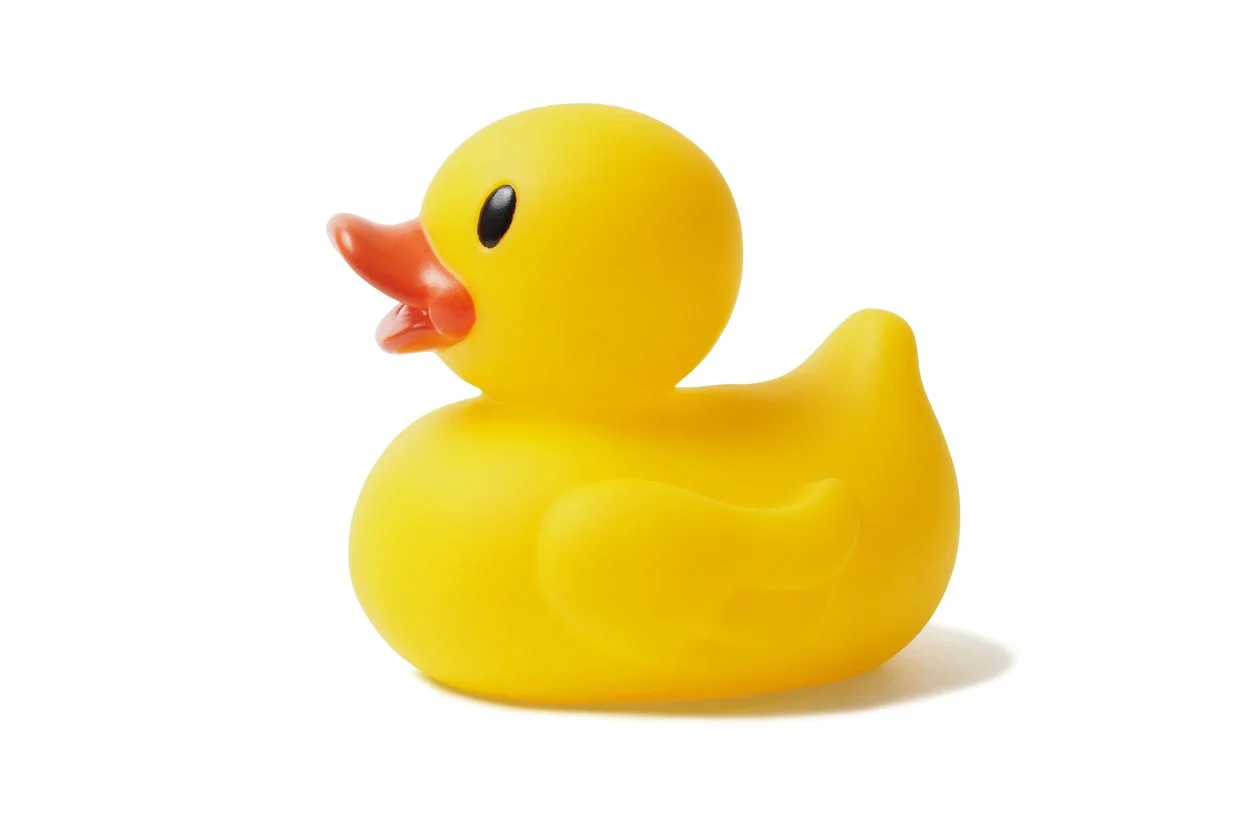
Consumer products, such as toys and protective housings
Marine components, including fendering and bumpers
General industrial parts that benefit from seamless construction and customizable material properties
VINYL DIPPING
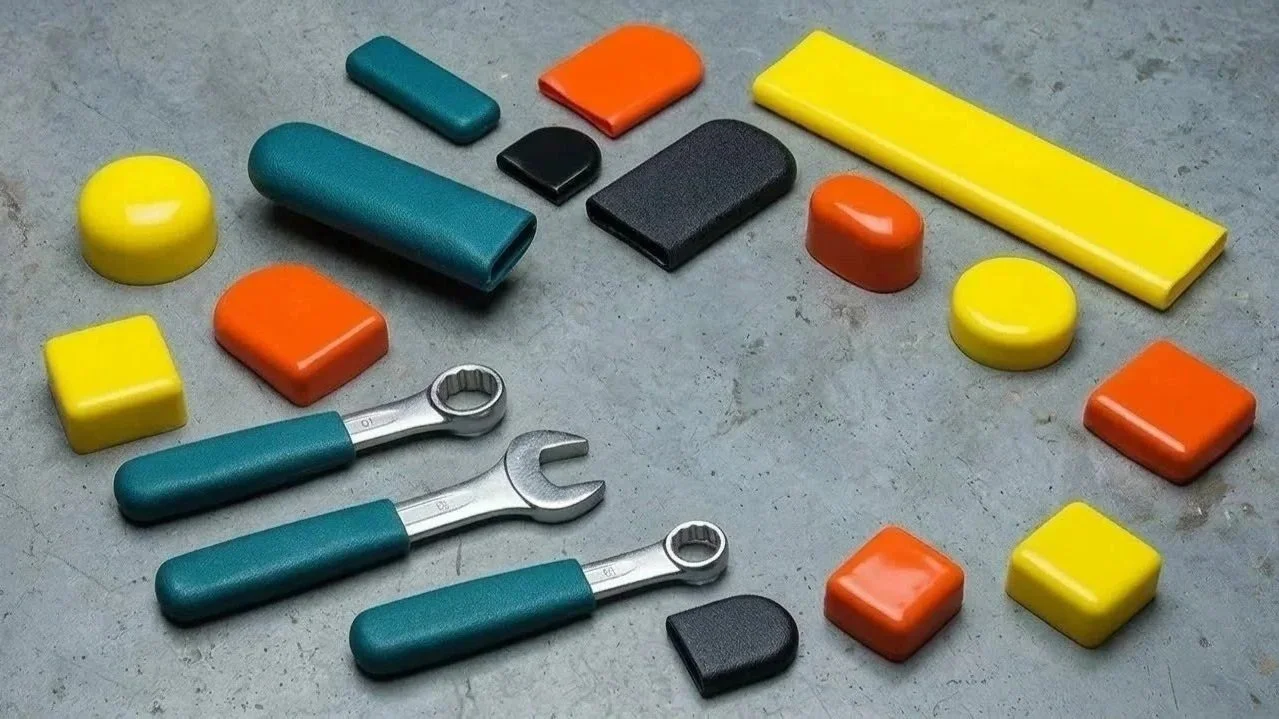

Vinyl dipping is a coating method that creates a durable, flexible, and protective layer on metal and other parts. The plastisol material flows smoothly over the surface, then fuses during heating to form a uniform, non‑porous coating that holds up well under regular use.
Key performance benefits
Improved handling - the finished surface offers better grip and a comfortable feel, making it ideal for tool handles and consumer products.
Protective barrier -The coating resists wear, moisture, and many common chemicals, helping extend the life of components in industrial and automotive environments.
Even coverage on complex shapes - Because the liquid plastisol fully surrounds the part during dipping, it coats contours, edges, and irregular geometries more consistently than many spray‑applied finishes.
Customization options
Color and finish — The material can be matched to specific colors and adjusted for gloss, texture, or tactile feel.
Thickness control — Dip time and material viscosity can be adjusted to produce thin protective layers or thicker, cushioned coatings depending on performance needs.
PLASTISOL INK
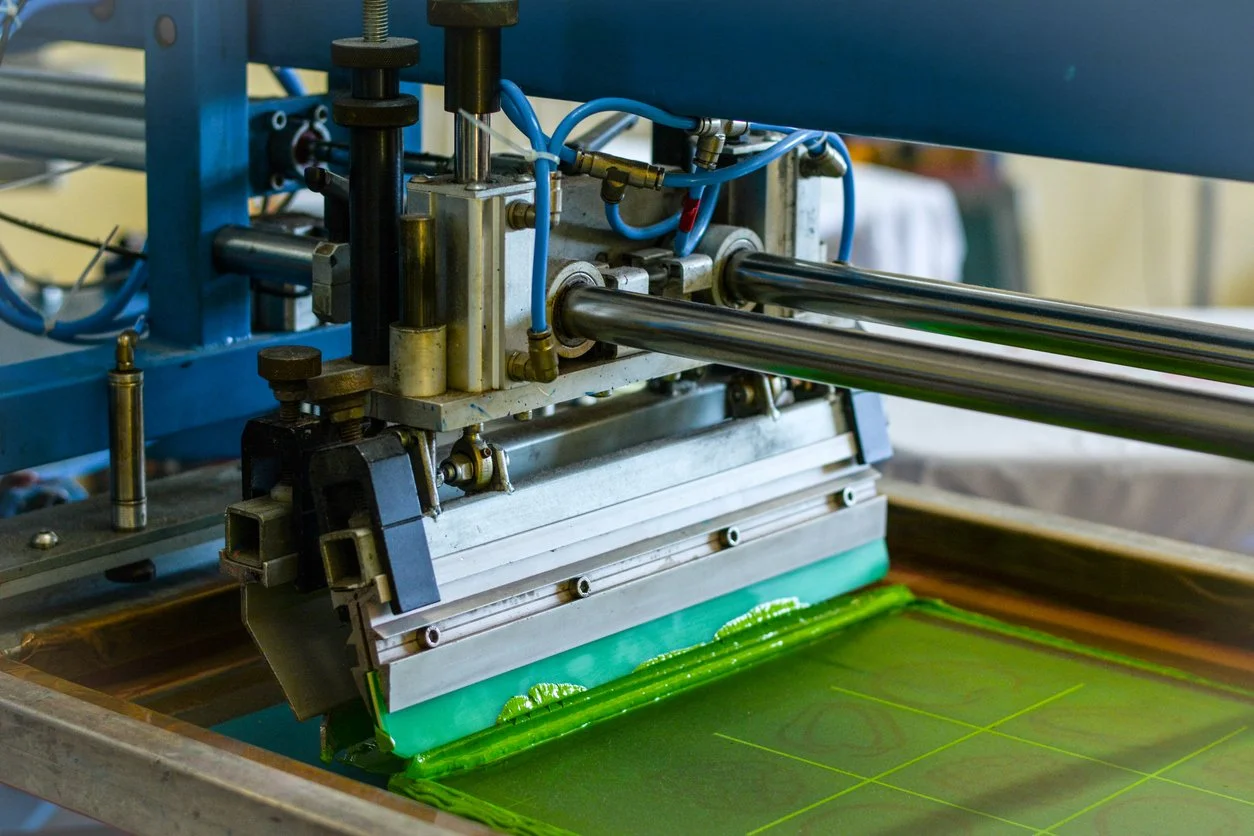
Plastisol inks are heat‑cured, PVC‑based systems engineered to produce high‑opacity, durable films with controlled flexibility. The inks remain stable at ambient conditions and undergo gelation and fusion when exposed to elevated temperatures, forming a tough, elastomeric coating with strong adhesion to textile substrates.
Technical performance profile
Controlled rheology — Viscosity is tightly regulated to ensure uniform deposition, smooth flow through screens, and consistent film build across production runs.
Mechanical durability — Once cured, the ink film exhibits excellent flexibility and long-term wash stability, making it suitable for demanding textile applications.
Thermal curing behavior — The PVC resin and plasticizer system is optimized for predictable fusion, enabling repeatable curing windows and reliable performance across different equipment setups.Color and formulation options
Color and formulation options
Extensive color availability — More than 100 standard colors can be private‑labelled, with formulations designed for opacity, brightness, and long-term stability.
On‑site color control — A tinting system is available for precise, in‑house color matching, supporting rapid adjustments and custom production requirements.
Specialized pigment selection — Pigments can be chosen for enhanced lightfastness, weathering resistance, or regulatory compliance depending on end‑use needs.